A federal appeals court panel is questioning the Trump administration’s effort to prevent California from counting thousands of mail ballots linked to voters the federal government suspects may not be U.S. citizens.
During rare weekend arguments on Sunday, October 25, two of the three judges on the 9th U.S. Circuit Court of Appeals appeared skeptical of the Justice Department’s lawsuit against California election officials. The administration alleges that state officials failed to meet a 48-hour deadline to review 20,000 names flagged as potential noncitizens on the state’s voter rolls.

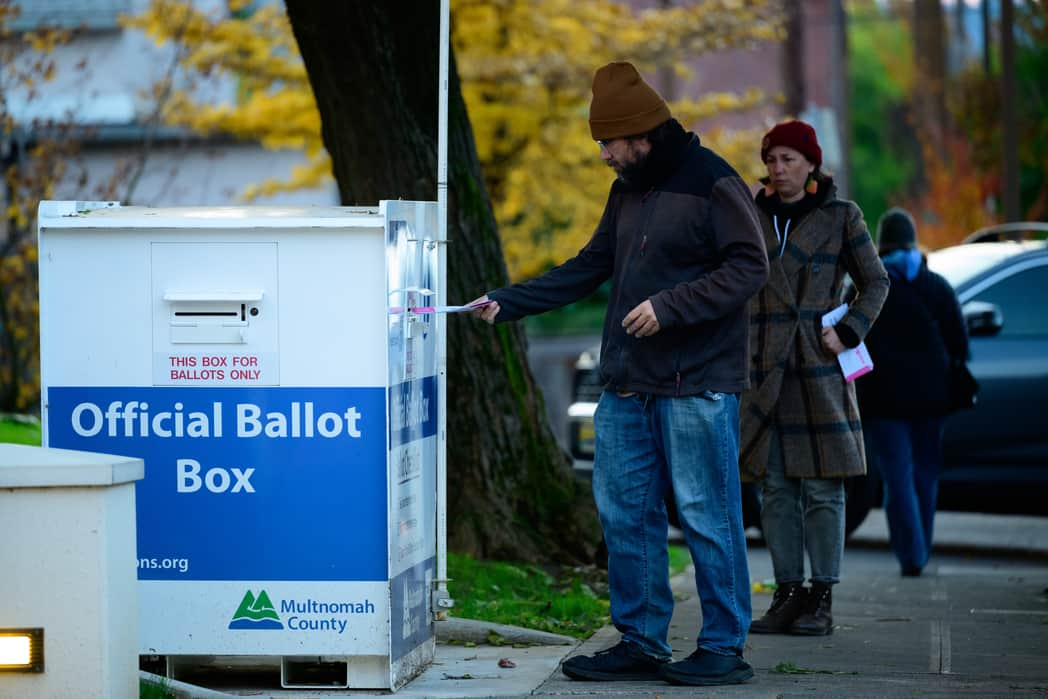
The federal government wants California to withhold the mail ballots from being counted until the voters’ citizenship status can be verified. According to The Associated Press, the judges questioned whether the administration had the legal authority to demand such action and whether its request could interfere with the state’s constitutional control over elections.
Judge Mark Bennett questioned whether the appeals court had jurisdiction to intervene on the mail ballot matter before the lower court issued a ruling. He also highlighted the Elections Clause of the U.S. Constitution, which gives state legislatures authority over the time, place and manner of congressional elections. Judge Gabriel Sanchez raised concerns that the federal government could be violating the Tenth Amendment by effectively compelling California to administer a federal enforcement process.
Justice Department attorney Matthew Donnelly argued that California’s refusal to set aside the ballots was allowing potential violations of laws prohibiting noncitizen voting. He described the alleged harm as irreversible. Judge Patrick Bumatay, another Trump appointee, appeared more receptive to the government’s argument, saying the public has an interest in ensuring that only eligible citizens vote. He suggested an emergency injunction could provide clarity.
Attorneys representing Los Angeles County challenged both the evidence behind the administration’s list and the practical consequences of the requested review. Seth Waxman argued that separating the ballots for additional scrutiny could disenfranchise thousands of eligible voters. Waxman also described the administrative burden of checking ballots against the list. Attorney Sam Siegel argued that the federal government had not provided credible evidence supporting its suspicions.
The dispute comes as the Trump administration makes identifying suspected noncitizen voters a priority. The lower court had scheduled a hearing for October 27, but the Justice Department appealed, seeking an expedited decision. Judge Bennett said the appeals panel would try to issue a ruling as quickly as possible.