The Caribbean has always been somebody’s paradise. For tourists, it’s the ultimate sunny escape with white sand and the kind of blue Beyoncé sings about. For those of us with island roots, it’s home, or the closest thing to it. We know it for the infectious rhythms that move us, the food that feeds us, and the people who make every room louder and warmer. But what most travel brochures don’t tell you is that the Caribbean is an art oasis, one that is worth exploring on your next vacation.
For the last four years, artists across the Black diaspora have gathered in Nassau, Bahamas, for the FUZE Art Fair, hosted in collaboration with The Current: Baha Mar Gallery & Art Center. Founded by multidisciplinary artist and VP of Arts & Culture at The Baha Mar Resort, John Cox, FUZE creates a unique space for artists, galleries, curators, and more from the Bahamas, Caribbean, and wider Americas to showcase their work with a mission to create an ecosystem that expands resources and visibility of Caribbean contemporary art.
“We are complex people, we’re nuanced people, we’re modern people. And as a result of that, we are Caribbean people,” Cox told theGrio during the art fair.
That complexity, he says, is often flattened, especially in a country whose economy runs on tourism. “Hospitality, I feel, is like a double-edged sword,” Cox continued. “It’s the thing that has catapulted us into global recognition. We have beautiful weather and beaches and all of these things, but it comes at a price if you’re not very intentional about reckoning with your identity… I think that in years gone by, we kind of lost a little bit of our cultural, artistic identity within the desire to just have a bunch of people come to the Bahamas.”
The marketing sells the Bahamas on its beaches and resorts. But the first thing I noticed when I stepped off the plane in Nassau was the art. Statues and paintings filled the airport. Murals lined the streets downtown. The salt air was there too, but it was the color, splashed across canvases and buildings alike, that I couldn’t stop looking at.
“Bahamians are creative people,” Abby Smith, a Cultural Affairs Officer for the Bahamas’ Visual Arts at the Ministry of Culture, Arts and Heritage, explained. “We’re an expressive people in everything that we do, not just in the traditional art…in everything that we do, from culinary to musicians, to interior designers, woodworkers, product designers, architects. We have all of these creative professions operating in our country.”
“And people don’t know that because when people come here, their gaze is a touristic gaze. They’re looking for something that’s being showcased for people who visit, and not showcased for Bahamians to enjoy. So when we create, we create for ourselves,” she continued.
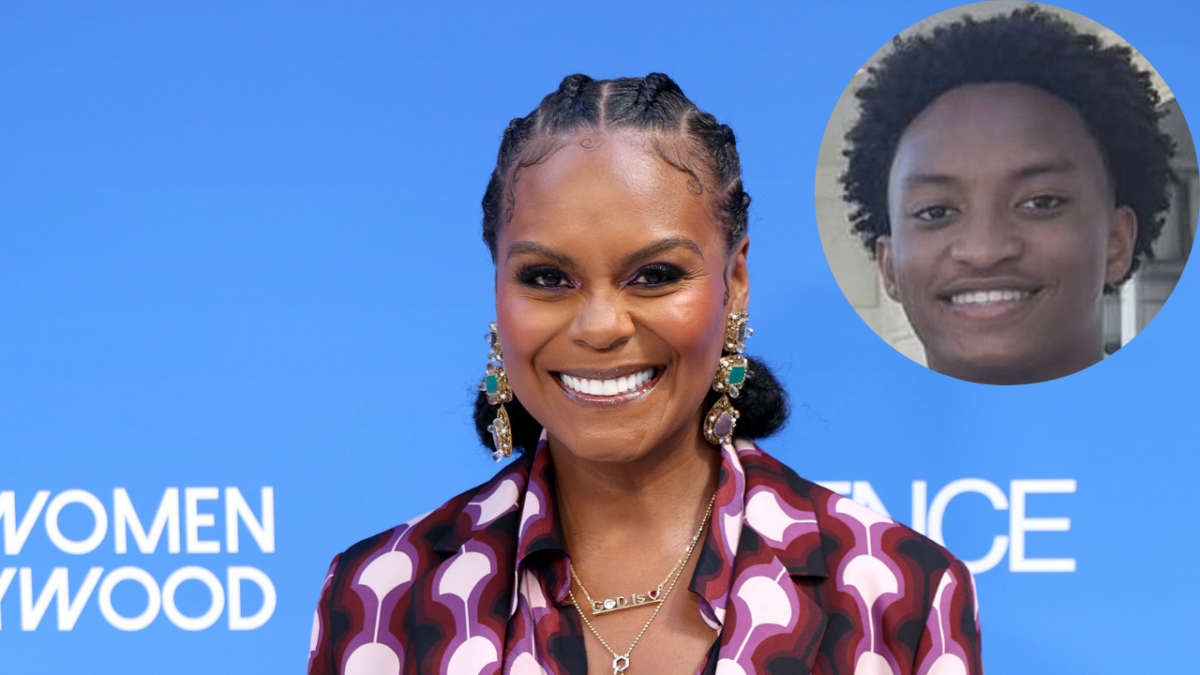



This year, FUZE gathered over 120 artists under the theme “Coming Home,” and with artists representing dozens of countries, a powerful connection emerged among them, filling the space. From young ceramic artists like Tyesha Tynes to self-taught painters like King Kesia to photographers like Delton Bennett and Melissa Alcena to multidisciplinary artists like Emily Alice Mitchell and Dr. Desmond Beach, each artist’s work shined a spotlight on Black experiences and Caribbean experiences that on-lookers can take something away from regardless of where they come from.
Just as the late artist John Beadle once wrote that “Caribbean is the acknowledgment of our pluralism,” that’s part of the magic of the Black diaspora. Regardless of where your ancestors are from, there are practices, cultural norms, and references that feel universal to our communities.
“To come to FUZE it’s a whole vibe. It feels like you’re at a family reunion,” said Beach, an African American artist who uses textiles and patchwork to represent Black healing, joy and care. “It feels like you’re at a barbecue. It feels like you are at an art show at someone’s home, someone’s living room.”
Beach’s work joined the fair by way of FUZE’s art residency, where he spent two to three months creating the pieces on view. For the Brooklyn-based Richard Beavers Gallery, which represents him, the trip to Nassau was about more than a booth. “We’re coming home,” Cassie Charles, the gallery’s communications associate, said simply.
“Throughout history, we have been broken apart so much, both in where we are in the world diasporically and also within our own communities,” she explained. “So, consuming art, seeing ourselves in royal poses, seeing ourselves just basking in joy, basking in community…It’s healing those wounds. It’s repairing those relationships, and it’s really bringing us together so that we can push each other forward into the future.”
“Coming Home speaks to our collective desire to reconnect—with our histories, our communities and one another,” Cox said of this year’s theme. “This [year’s theme] is ‘Coming Home,’ but I think that’s a theme that’s gonna live with us forever. Like, I want to see what home looks like 20 years from now.”
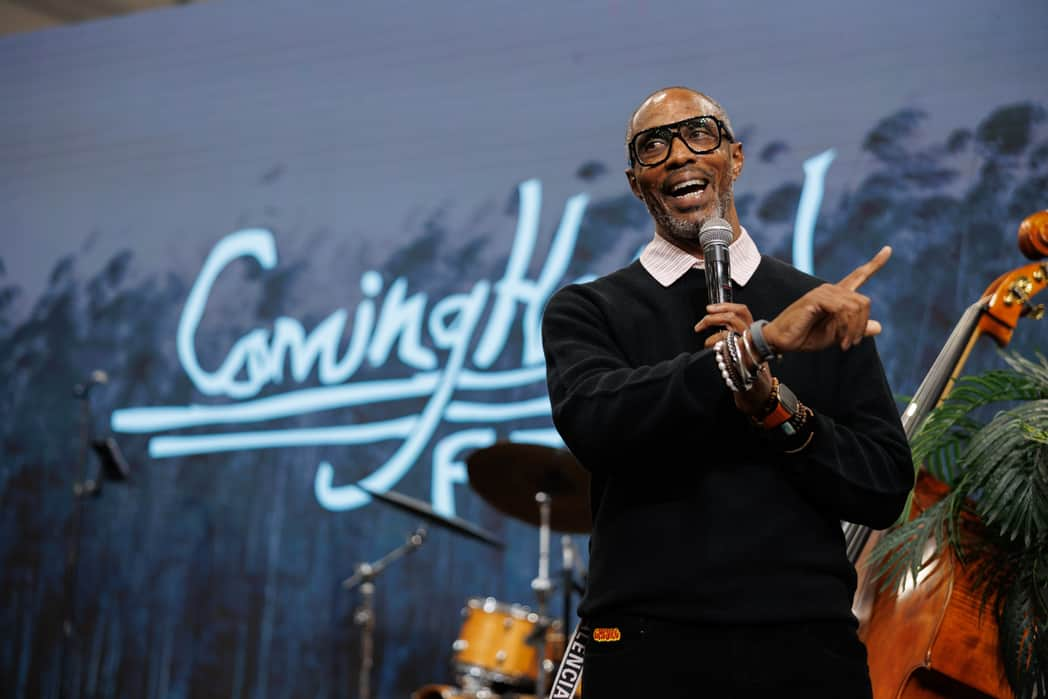
Connection and community are the heartbeat of FUZE and the Bahamian art community at large. Award-winning curator and art historian Dr. Krista Thompson and multidisciplinary artist and curator Antonius Roberts echoed the view that the beauty of the Bahamian art scene lies in the spirit of community and collaboration that has flowed, and continues to flow, from generation to generation. That very spirit is what inspires the “ecosystem” Cox hopes to create with FUZE.
“It can be really hard to penetrate the global art ecosystem. What I’m trying to do with Fuze in the Caribbean is create an architecture around the way the fair is built that allows access to people who would not normally have access, not lowering standards, just creating access, creating visibility,” he explained. “Fuze creates industry. It creates a broader, more dynamic definition of what the industry of being a creative is.”
Following an orange (or creative) economy framework, which generates wealth through goods and services based on human creativity, culture, and intellectual property, Cox explains that profit sits low on his current priority list. Instead, he’s focused on building a safe space where artists can flourish that is relevant to Bahamian people, people of color, and even white artists who are tired of the industry’s status quo.
And the art doesn’t pack up when the fair does. Year-round, institutions like the National Art Gallery of the Bahamas and TERN Gallery reveal layers of Bahamian history, storytelling and creativity you won’t find at the resort.
So the next time you book a trip to the Bahamas, or anywhere in the Caribbean, leave room between the water excursions, food tours, and street parties for a day with the art. You may be surprised by what it teaches you about the country and about yourself.
Or, as Cox put it: “See yourself in the mirror, be a part of the story and tell that story to somebody else.”