HBCU Royalty. To outsiders, it may look like a pageant filled with crowns, sashes, and a spotlight on coronation day. But to the young women and men who’ve held the title, it represents campaigns and elections, board meetings and student advocacy, and the weight of representing generations of queens and kings who came before them.
“There is so much more to the experience,” former Miss Morgan State, Destiny Fowobaje, told theGrio. “These courts are a part of what makes the HBCU experience so special. They carry traditions, create lifelong memories, and give students the opportunity to be involved in their school’s history in a very unique way.
Historically Black Colleges and Universities (HBCUs) have produced some of the world’s greatest leaders and trailblazers across every industry. Built to deliver academic excellence to Black students at a time when other institutions shut them out, HBCUs also built cultures, customs, and traditions of their own, passed down and reshaped from one generation to the next.
Among those are royal courts. The tradition dates back to the 1920s, when Black colleges began crowning a “Miss” as part of their homecoming celebrations. A century later, the coronation remains one of the highlights of homecoming season. But under the crowns and sashes are student leaders doing far more than winning what many outsiders dismiss as a popularity contest.
“The purpose of the HBCU pageantry goes back to segregation, slavery, and the way Black people have been treated in America,” Ssanyu Lukoma, the 88th Miss Howard University, told theGrio. “We were treated in a way that diminished our humanity, and it didn’t allow us to have leadership structures where we felt edified for simply being excellent. … At HBCUs, when you see the queen or the king, you are supposed to feel represented by them.”
Today, students at HBCUs across the country campaign for spots on their school’s royal court much as they would for student government, complete with platforms, campaigns, and elections. While responsibilities vary by school, an HBCU Miss and Mister typically serve as ambassadors for their institutions and advocates for the student body. So, the coronation is only a sliver of the job.
To understand what it really means to wear the crown, theGrio spoke with four current and former HBCU queens.
Their responses have been edited for length and clarity.
Aliyah Mayers – 95th Miss Virginia State University 2023-2024
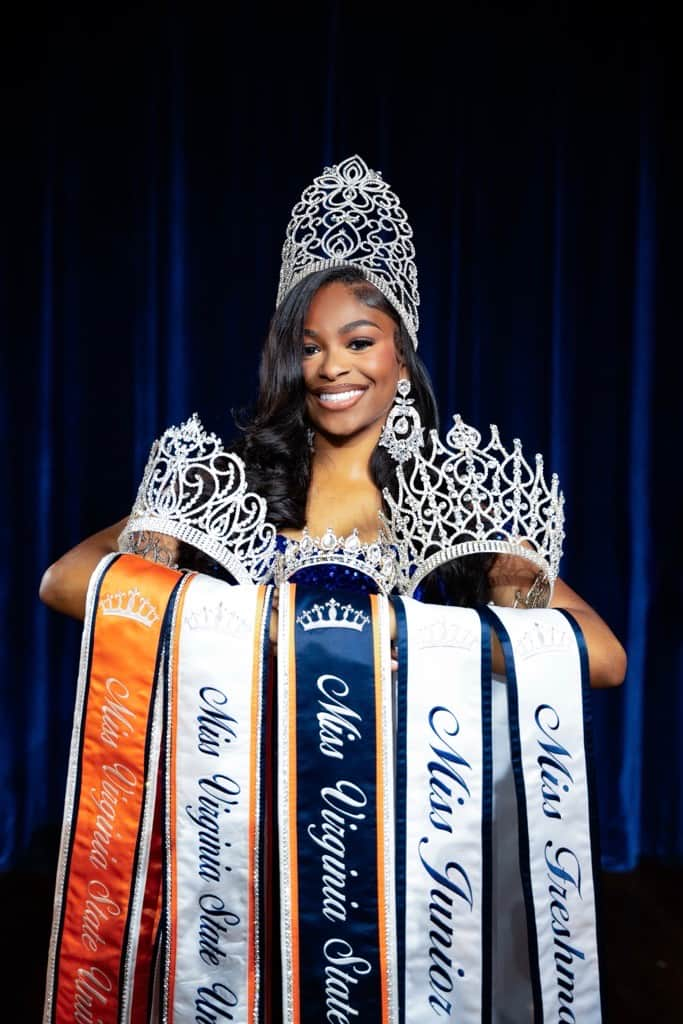
What made you decide to run for a position on your school’s royal court?
I have always felt called to leadership and service, and I immediately recognized the opportunity that serving as Miss VSU presented. I understood the responsibility of using that platform to inspire other young women, celebrate Black excellence, and bring visibility to my university, especially as a first-generation student. I also wanted to maximize my HBCU experience, and I knew this position would expose me to opportunities, relationships, and experiences that would allow me to grow both personally and professionally.
What did you learn from serving on your HBCU’s royal court?
Serving on the royal court taught me the power of visibility and the importance of having a seat at the table. I was surrounded by so many talented students with incredible ideas and a genuine desire to make a difference at our university, but I realized not everyone had the same access to the board meetings I sat in on, the conferences I attended, or the faculty I had constant engagement with in order to address those ideas or desires, which truly opened my eyes. It taught me that when you have a platform and a seat at the table, you have a responsibility to use that access to advocate, create opportunities, and make things happen for the people who believe in you and look up to you.
What do you wish people understood about the history and impact of HBCU royal courts?
I wish people understood that HBCU royal courts are not just fashion shows and social media talking points; they are rooted in legacy, representation, leadership, and students who want to be a part of something bigger than themselves. For generations, these courts have provided young Black women and men with opportunities to develop their voices, build confidence, and leadership skills. There are very few institutions outside of the HBCU community where campus royalty is such an integral part of the campus experience, taken so seriously… like so seriously, and celebrated so wholeheartedly. It reflects our love for showing up, celebrating Black excellence, embracing creativity, and making the most of whatever platform we are given. Royal court, along with so many other traditions at HBCUs, is what keeps our institutions alive; it keeps us close like a family and inspires others to become part of the institution, whether through enrollment or continued investment in its future.
Ssanyu Lukoma – 88th Miss Howard University (2026-2027)
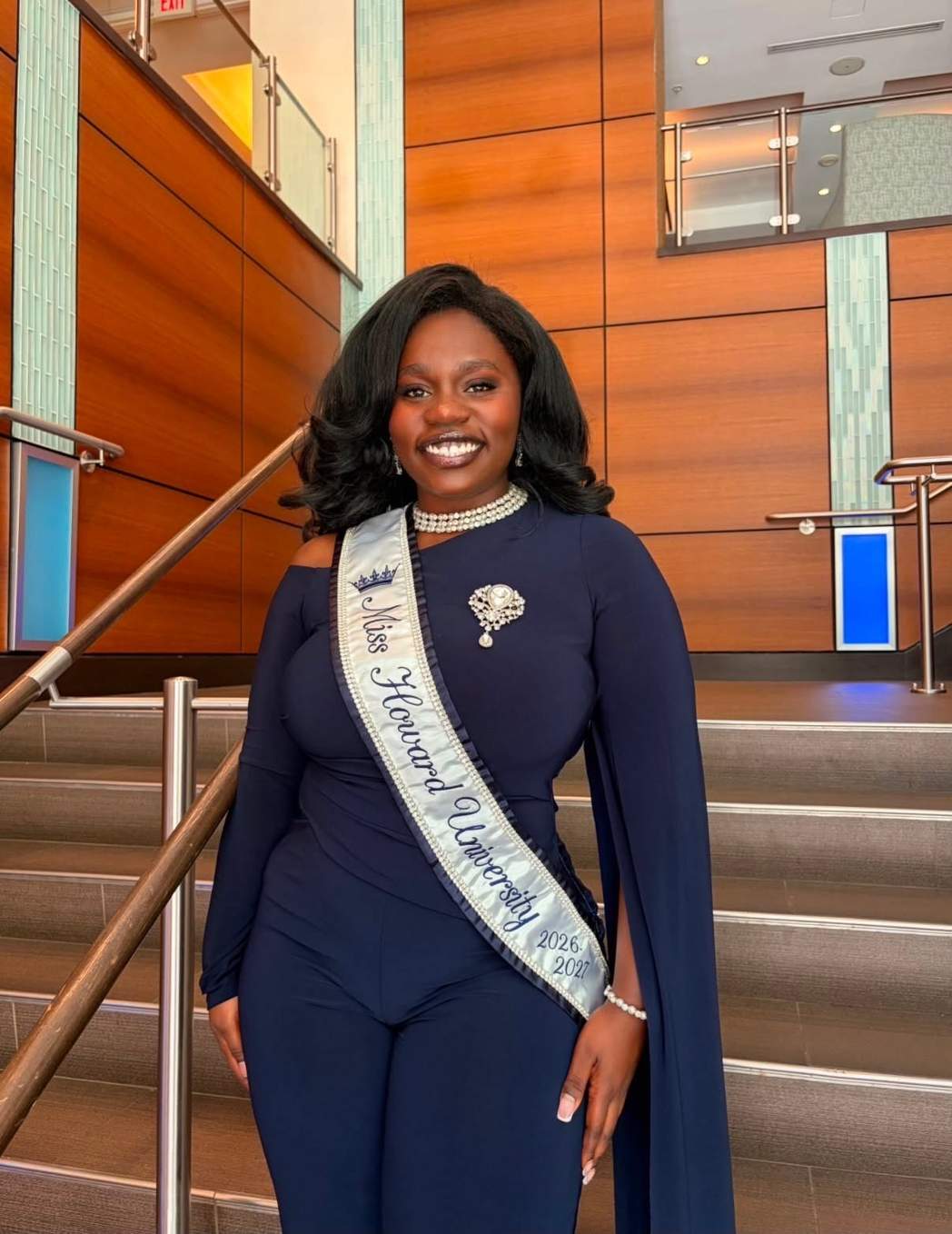
What made you decide to run for a position on your school’s royal court?
When I came to Howard, I was serving as Miss HBCU Teen 2023, which was my first pageant. I was exposed to the world of HBCU pageantry because that scholarship system created a network of young women who compete and go on to get involved with pageantry on their campuses, even if they never saw that as a pathway beforehand. When I got on Howard’s campus, there were about four queens in total on campus who had competed in the system before, so they really showed me what HBCU campus pageantry looked like.



Interestingly enough, I decided it wasn’t for me at the time. I wanted to pursue policy on campus, so I was the director of community service for the School of Communications Council my sophomore year. Once I got to junior year and was appointed the inaugural press secretary for the student association, I realized I did not want to run for student body president. Instead, I wanted to run for Miss Howard University because my purpose is to be an ambassador for ideas I believe in, and I know my superpower is taking words and using them to rally people around a common goal. I was terrified to run. At the end, I was grateful that I did it, because now I get to wake up every day, go on campus, and see students who may feel like I’m a celebrity, but then they actually interact with me and realize that I’m a real girl who goes to Howard and just happens to wear a crown and a sash sometimes.
What did you learn from serving on your HBCU’s royal court?
I’ve learned a lot of soft skills I can transfer to corporate environments, because they’re essentially about team management. Howard University has the largest royal court of all HBCUs. We have 18 people in total. We have students representing all of our schools and colleges on campus, so we have Mr. and Miss of the School of Communications, Mr. and Miss of the College of Arts and Sciences, etc. We also have Mr. and Miss Freshman, and we have Mr. and Miss Howard University. Between all of those people, it’s very challenging to manage a court that is supposed to look uniform, even though it’s comprised of many different individuals.
I’ve developed a deeper understanding of patience and how to collaborate with people and cater to their love languages as well. I think that’s an aspect that’s left out of team management a lot. But when it comes to royal courts, it makes an appearance more often than you would think, because you’re all unified by your love for the school. I’ve also been learning the more technical aspects of HBCU pageantry, including etiquette, poise, and walking.
What do you wish people understood about the history and impact of HBCU royal courts? Why do you think they matter?
I definitely meet people where they are. I know that it seems ridiculous at first. Sometimes I wake up in the morning and say to myself, “OK, so I really need to wear a crown pin and some sparkly shoes today in order to put on programming for the students at Howard University?” And then I remember that this is a really sacred cultural tradition that needs to be preserved. It not only creates an experience where students on campus have somebody to look up to as a role model, since HBCU queens are usually juniors or seniors, but it also creates an experience where you have the privilege of finding a way to be everyone’s friend intentionally. Since you’re supposed to represent all the students on campus, it’s your job to try to connect with them. Having someone whose job is to represent you beyond a legislative or executive role, such as a Senate or student body president, is invaluable. Electing student leaders based on their personality, as opposed to just the leadership positions they’ve held on campus, is an advantage that royal courts hold, and you can’t really find it anywhere else.
I got the most votes in history for any candidate in any election at Howard this past year when I ran for Miss Howard. My campaign messaging was very centered on community and on making sure people knew they were enough. Paying tuition at this school and being a registered student is enough to run for Miss Howard. It’s enough to run for any student leadership position that you want to. Because it created a culture where people believed in an idea rather than just a person, it really allowed the perspective on royal court to change. I want that to continue, and I really hope to see that at other HBCUs as well. It’s such a privilege to be able to show people that campus royalty doesn’t have to be out of reach. The point is not to be out of reach. You’re supposed to be representative and accessible to people. You’re supposed to be a bridge between the students and the administration, and a voice overall.
Destiny Fowobaje – 81st Miss Morgan State University (2025-2026)
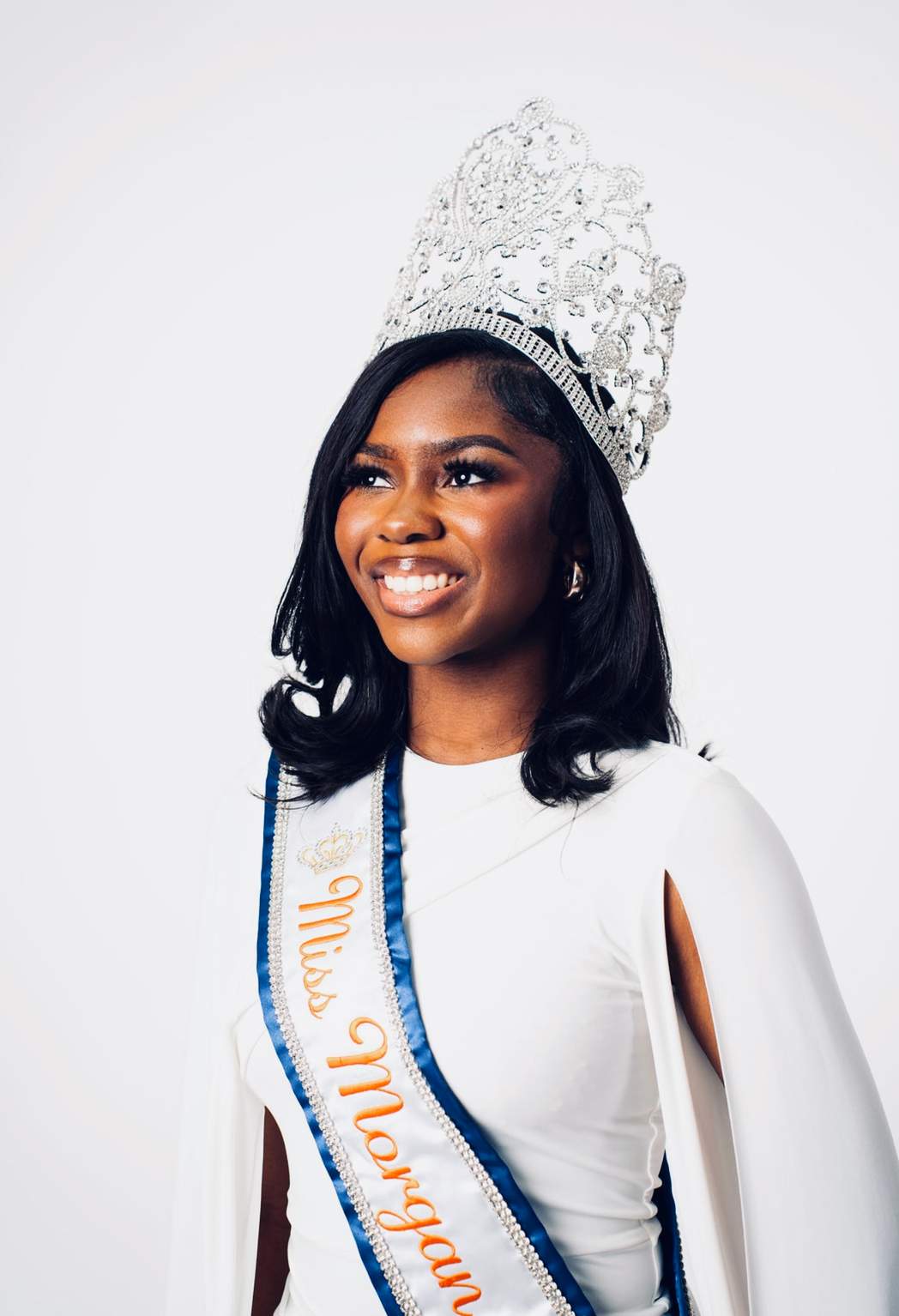
What made you decide to run for a position on your school’s royal court?
From the moment I stepped onto Morgan State University’s campus, I knew I would be a part of history. Did I know I would become the first Nigerian Miss Morgan? Absolutely not. But I always felt a deep conviction that I was called to lead. One of the reasons I decided to run was because I wanted to challenge the idea of what Miss Morgan was supposed to look like or come from. I felt there was a perception that you had to fit a certain image, have a particular background, or come from a certain level of wealth to even be considered for the position. That never sat right with me. As a first-generation Nigerian American and the first in my family to attend college, I understood that my journey looked different, and I wanted to show that there was room for my story, too.
More than anything, I wanted to show other students that where you come from does not have to determine where you can go. I wanted someone watching to realize that they did not have to count themselves out because of their background or circumstances. Becoming Miss Morgan was about so much more than a title for me. It was an opportunity to make history, challenge expectations, and hopefully leave the door a little wider open for whoever comes next.
What did you learn from serving on your HBCU’s royal court?
I learned that leadership is not linear. Serving as Miss Morgan taught me that leadership is not simply about how you show up when everything is going well. It is about how you respond when things do not go according to plan, how you remain committed to the people you represent, and how you continue to lead even when the journey becomes difficult. I also recognized something very simple. That a crown is not what makes you a leader. It is the lives you touch and the example you set when no one is watching. The title gave me a platform, but the experience taught me that true leadership requires humility and a willingness to serve beyond yourself.
What do you wish people understood about the history and impact of HBCU royal courts?
I think people sometimes see HBCU royal courts and focus only on the crowns, gowns, and coronations, but there is so much more to the experience. These courts are a part of what makes the HBCU experience so special. They carry traditions, create lifelong memories, and give students the opportunity to be involved in their school’s history in a very unique way. One thing I appreciate about HBCU royal courts is how much they teach you about the responsibility that comes with being a representative of something bigger than yourself. You are representing years of tradition, the students who came before you, and the students who will come after you. That is something I never took lightly during my time as Miss Morgan. I also think these positions give us a chance to show that there is no single way to be a queen or a leader. Every woman who holds that title brings something different to it, and that is what makes each reign special. For me, being Miss Morgan was one chapter of my life, but it will always be a part of my story. I hope that when people look back on my reign, they remember not just the title I held, but the way I carried it and what I contributed to the legacy of Morgan State. And above all, I stayed true to myself and the woman I know God called me to be. I did not allow my title to change that.
Nia Dooley – 70th Miss Delaware State University (2026-2027)
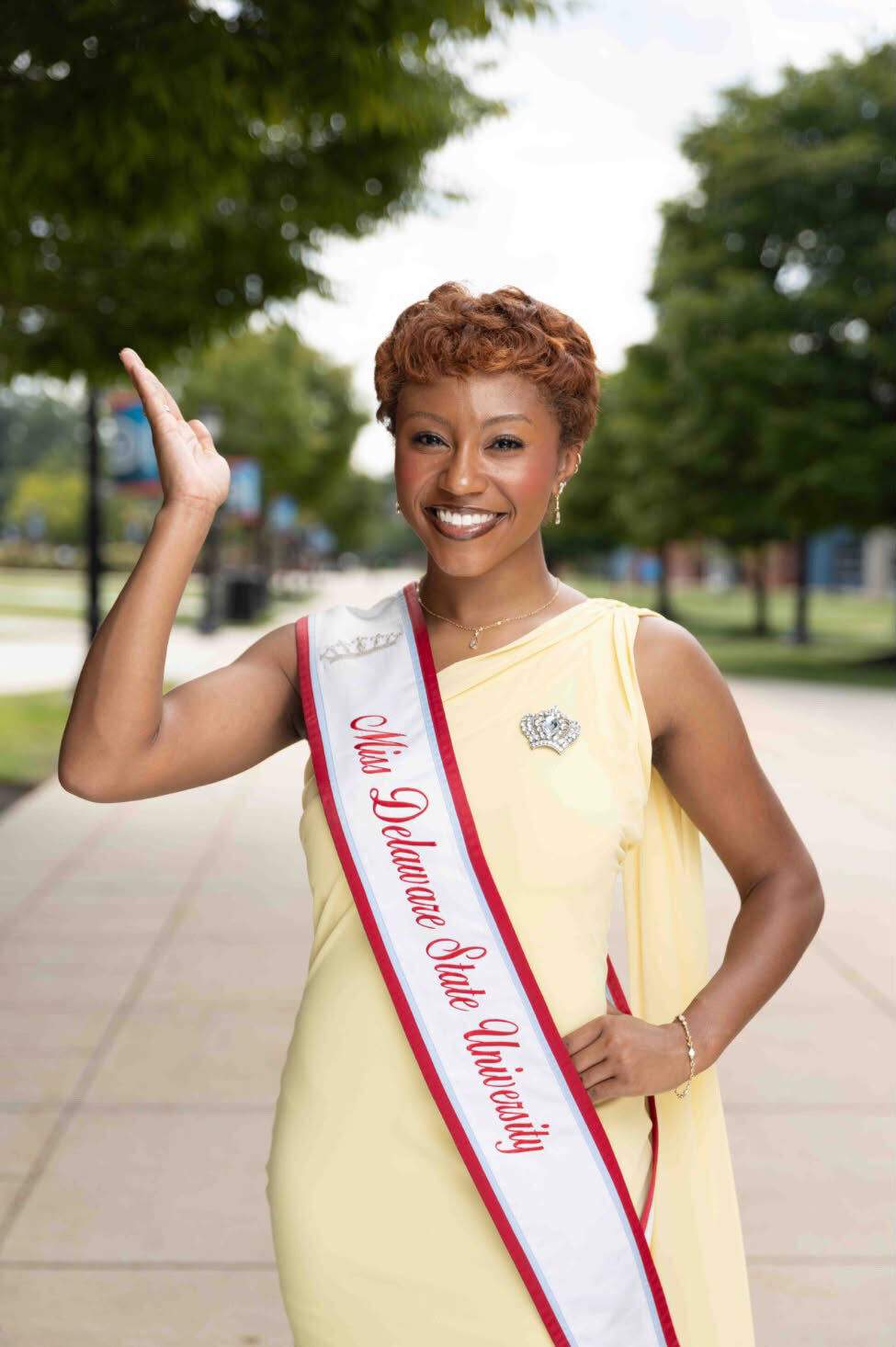
What made you decide to run for a position on your school’s royal court?
I decided to run for my position because I was inspired by many of the queens who reigned before me. I knew I wanted to be in student leadership, and I felt that my personality and my talents could be better reflected as a queen than they would in the Student Government Association (SGA). I also enjoyed the service aspect of the Royal Court!
What did you learn from serving on your HBCU’s royal court?
From serving on my school’s court, I have learned about myself and my style of leadership, how to adapt my plans to fit a team (such as working with my own court and other student leaders), how to manage my time, as well as the importance of being my genuine self in every space I enter. I think people have been able to connect with me so much because of my unique personality and how bubbly I am, so that has really shown me to never make myself small to match what anyone else has going on.
What do you wish people understood about the history and impact of HBCU royal courts?
I wish more people understood that HBCU Royalty is not just about being pretty or the crowns, but that there is actual work that goes into these positions. In addition, I wish that more people understood that the lineage of queens at a school plays such a large part in HBCU culture, history, and celebration of Black excellence that is hard to replicate or find in any other space.