After the Trump administration moved to eliminate guidance on considering race in school discipline, education experts are sounding the alarm about how the Education Department’s new rule will impact Black students at a time when they are facing existing setbacks in the classroom.
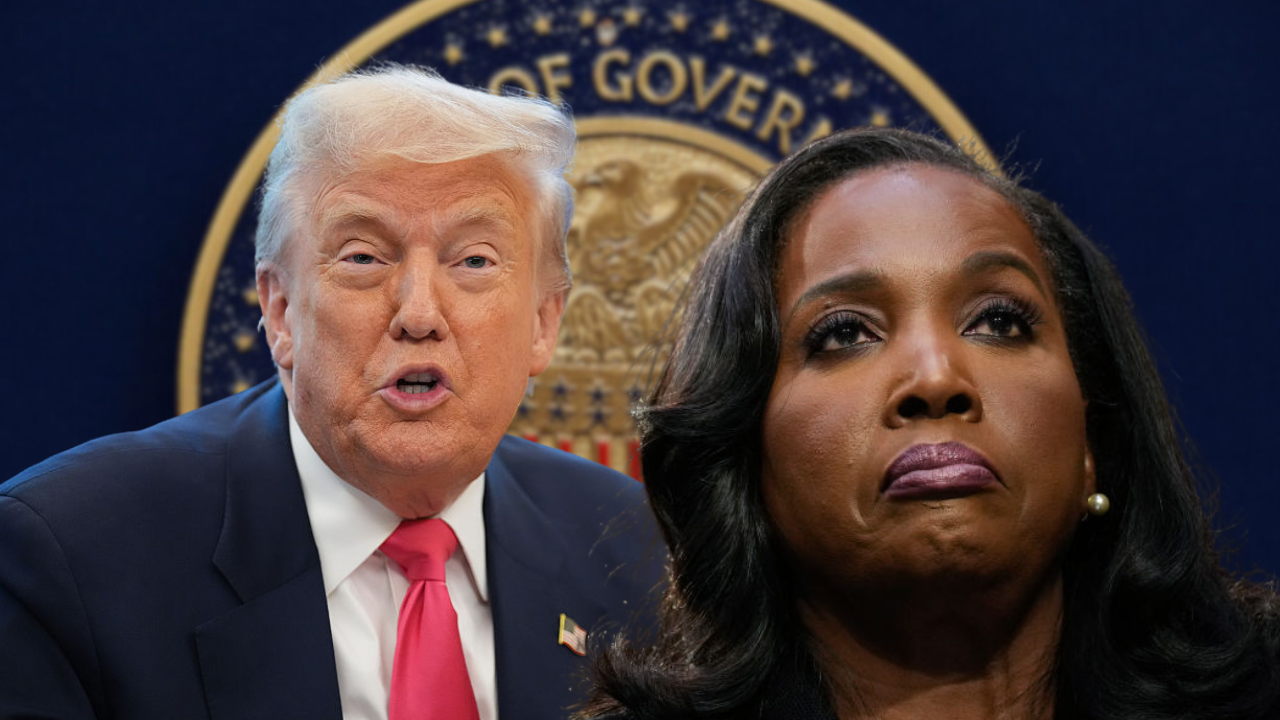
As theGrio previously reported, the Trump administration recently reversed a 2014 guidance issued by the Obama administration that encouraged schools to examine student discipline data for racial disparities, as Black students were suspended at disproportionately high rates.
The Trump administration now argues that the guidance is discriminatory against white students, or is, in other words, resulting in reverse discrimination. But Eric Duncan, director of P-12 policy at EdTrust, tells theGrio, the data doesn’t support that argument.
“If you look at some of the previous civil rights reports, you’ll see cases where schools or districts will…treat Black students differently for the same offenses as white students,” said Duncan. “They’ll suspend them or expel them, whereas for white students, they’ll call conferences.”
The guidance issued by Kimberly Richey, the Assistant Secretary for Civil Rights at the Education Department, claims the Obama-era guidance on school discipline, known as disparate impact liability, led to “increased violence and other disruptions at school.”
Phelton Moss, Ph.D., an assistant professor at Virginia Commonwealth University and an expert on anti-racist practices in K–12 Schools, tells theGrio that there is no evidence of a “throughline” showing that considering disproportionate disciplinary outcomes for Black students results in violent or greater disruption in the classroom.
“What is true since the Obama administration is that we have been able to find instances where there are gaps in terms of access to opportunity, and we’ve been able to address those gaps to access to opportunity because of these data,” Moss told theGrio.

Now, educational experts are left questioning: who will protect Black students?
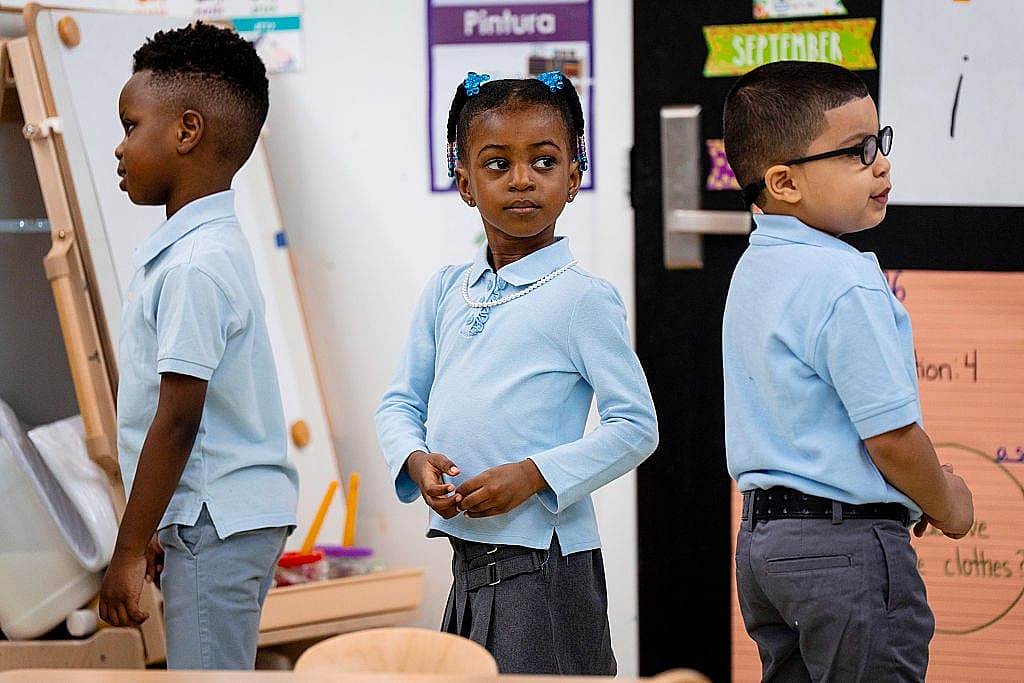
The new guidance from the Trump administration comes at a fragile time for Black students across the country, as data shows racial gaps in literacy and math outcomes for Black students, particularly after the COVID-19 pandemic, which resulted in students having to learn through computer screens at home.
Duncan emphasizes that, regardless of the new Trump administration guidance, the legal disparate impact framework, created in 1964 through the Civil Rights Act, remains on the books. However, its application has varied through court rulings over the years, and the Trump administration has essentially abandoned racial discrimination investigations in schools. The Education Department gutted its Office of Civil Rights and eliminated some of its regional offices.
“What has happened is a lot of these claims, based on these types of racial issues are being largely ignored,” Duncan told theGrio.
Still, experts tell theGrio that states and Congress can still step in to ensure that Black students do not fall victim to the discrimination in school disciplinary action of years past.
“States can create their own civil rights protections under state law and enforce disparate impact at the school level, and provide support, remedies, resources, whatever, for their schools when issues arise, and there are violations of the law,” said Duncan.
Duncan noted that in December 2025, New Jersey passed a law codifying and reinforcing the principle that neutral business policies that harm protected groups violate the New Jersey Law Against Discrimination, even without discriminatory intent.
Moss agrees, telling theGrio, “If this administration is hell-bent on returning education to the states, which they are actively and progressively doing each day, then the states must step up and ensure and codify these protections.”
He continued, “I do think states that care about data and states that care about kids who have grown up on the margins of society being in a safe learning environment will take this to task and will codify it in their existing state laws.”
But Moss is calling for one step further.
“Congress has the ability to provide carrots or sticks so they can beat this administration into doing this, or they can incentivize this administration to do it by making it a condition of their budget, if Congress has the will to do that,” he explained.
Without intervention from states or Congress, Black students and their families are left to prove intentional discrimination, which Moss notes is a “very high evidence bar,” whereas before they were able to “rely” on data that if you suspend 40% of Black children, “you’ve put them on the school-to-prison pipeline.”
He added, “Now we can’t rely on that to determine that there’s a culture of discrimination inside a school system or a school building.”