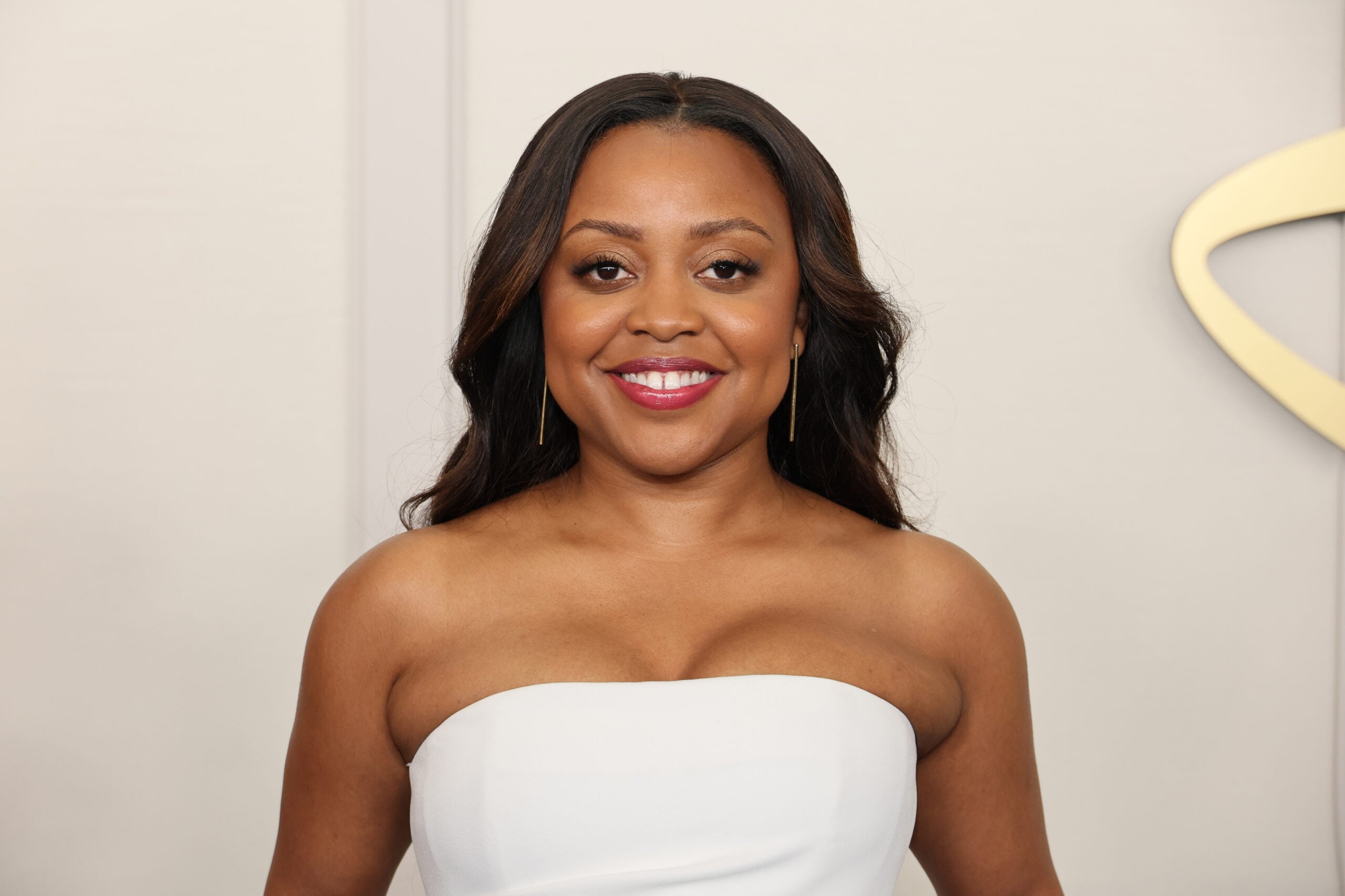
According to Lizzo, the song of the summer is a classic D.C. go-go anthem — sung by her.
Over the weekend, the 38-year-old R&B star teased in multiple posts across her platforms that she has covered the 2005 hit “Sexy Lady” by the D.C. go-go band UCB.
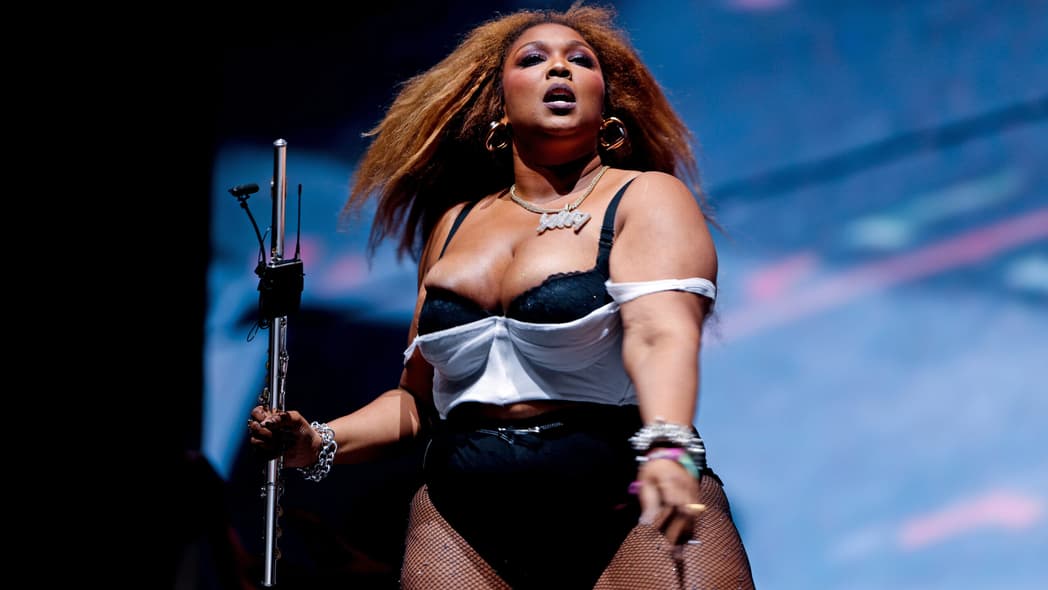
In a video uploaded to Instagram, the “About Damn Time” singer, dressed in a silver sequin skirt with a high slit up the side and a white screen tee with the word “B—” emblazoned in backward silver letters, dances around an outdoor terrace as her version of the track plays.
“THE SONG OF THE SUMMER IS HERE 😈 D.C. U IN THE BUILDING????” she wrote in the caption. “B— JUNE 5TH- PRE ORDER NOWWWWWWW.”
Meanwhile, in a TikTok the singer is dancing around a living room while wearing a patterned cafatan.
“Sounds like the song of summer,” read the text overlay.

The track, from the R&B star’s upcoming album that also samples Meredith Brooks’ “B—,” arrives after the singer’s recent thoughts on reclaiming the word and embracing its contradictions. At the same time, her version of UCB’s “Sexy Lady” is landing as go-go music celebrates its 50th anniversary this year, placing one of the DMV’s most beloved regional anthems back at the center of conversation — and reopening the ongoing debate around who gets to reinterpret culturally sacred Black sounds in the process.
Officially recognized as the music of Washington, D.C. since 2020, go-go first emerged in the mid-to-late 1970s as a funk subgenre rooted in live performance, nonstop percussion, and crowd participation. The sound blends funk, soul, R&B, and rap into a high-energy, call-and-response style that keeps people dancing without interruption. The genre is largely credited to the “Godfather of go-go,” Chuck Brown, who, alongside his band the Soul Searchers, began extending percussion breaks during live sets at D.C. clubs after realizing people stayed on the dance floor longer when the music never stopped. Over the decades, go-go evolved from its early brass-heavy sound to incorporate hip-hop, trap, and modern R&B influences, while remaining a defining cultural force throughout the DMV.
Meanwhile, after forming in the late 1990s, UCB, short for Uncalled 4 Band, became one of the pioneering voices of modern go-go. The group toured with Wale and even performed during the MTV Video Music Awards at the height of “Sexy Lady’s” popularity in the 2000s. Years later, it’s still rare for a summer in the DMV to pass without hearing the song at least once at a cookout, day party, family function, or somewhere outside near a speaker.
In the days since the “Truth Hurts” singer teased the song, the DMV region—DC and the parts of Maryland, and Northern Virginia that touch the district—has been reacting, and the feelings are mixed.
Beyond the myriad nuanced stitches and posts from DMV natives and music buffs alike breaking down the genre’s history and what it means to Black DMV culture across TikTok, there have been plenty of hot takes on other platforms.
“The DMV is in an uproar about Lizzo using that UCB Sample of our CLASSIC GOGO SONG “Sexy Lady” and I couldn’t agree more,” one user on Threads wrote.
Another on the same platform added, “That’s UCB. that’s sacred. some songs you just let breathe.”
Over on X, one user simply mused, “I do not like the concept of Lizzo sampling Sexy Lady by UCB.”
Not everyone is upset, however. There are others who are kind of here for it.
“I’m a DMV transplant, so don’t jumped me…but lizzo did eat with that sexy lady snippet,” one user on Threads admitted.
Another Threads user who also didn’t see the problem wrote, “Why are people trying to have a conniption about Lizzo using a sample from UCB’s “Sexy Lady?” Haven’t people been using samples for over 40 years? What’s the problem now?”
On X, one user echoing the sentiments of many natives and transplants alike prepared to simply “roll with it!” wrote, “Sexy Lady can be reheated 30 different ways and imma go up for it each time…Lizzo alright in my book.”