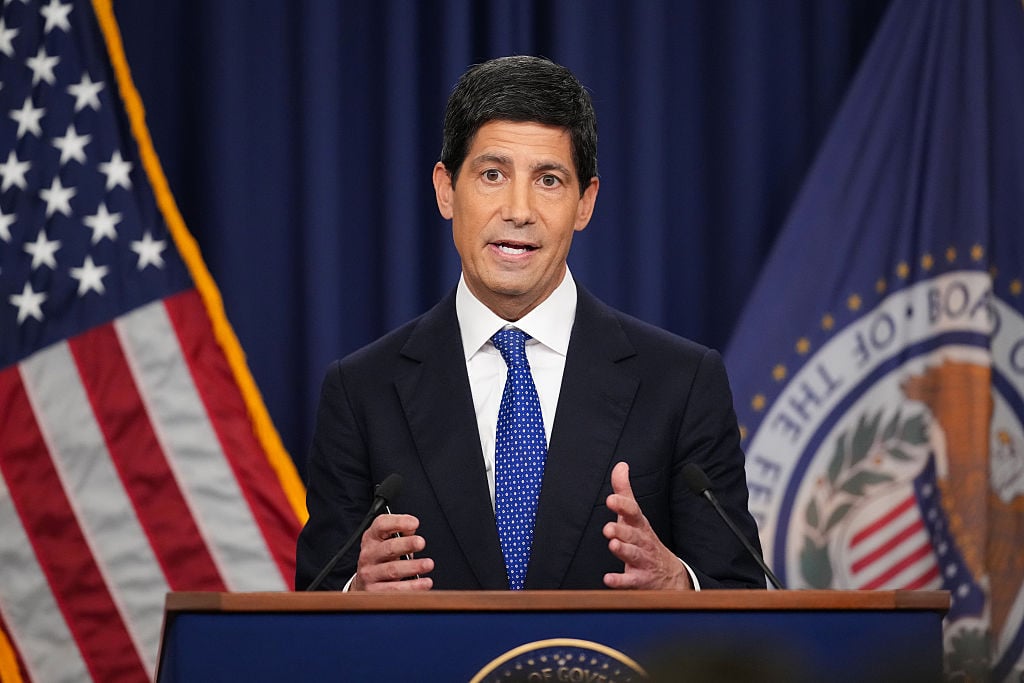
Justin J. Pearson is tired of politics as usual.
“The problem is a status quo that has the entrenched interests of the powerful at its root, and not the people,” says Pearson, the Democratic nominee for Tennessee’s 9th Congressional District.
The 31-year-old Tennessee state representative caught up with theGrio while at the Congressional Black Caucus’ 55th Annual Legislative Conference. Pearson is seeking to enter Congress after Republicans redrew his once majority-Black district after the Supreme Court gutted the Voting Rights Act in April, ending protections for Black voters against racial discrimination in voting.
Rep. Pearson now faces a more competitive battle against Republican state Sen. Brent Taylor. However, the progressive Memphis lawmaker says he is undeterred and focused on expanding his people-powered campaign that centers the most vulnerable, most especially Black voters. If successful in November, Pearson says he wants to bring change to Congress, including the U.S. House Democratic caucus.
“I think the way we show up is going to have to be different. People don’t want to go back to how things were. I think people want a different vision for this country entirely that lifts up poor, working-class, marginalized communities at the center of the conversation, not as the ornaments that you come to at the end,” Pearson said of Democrats and the state of the country under President Donald Trump.
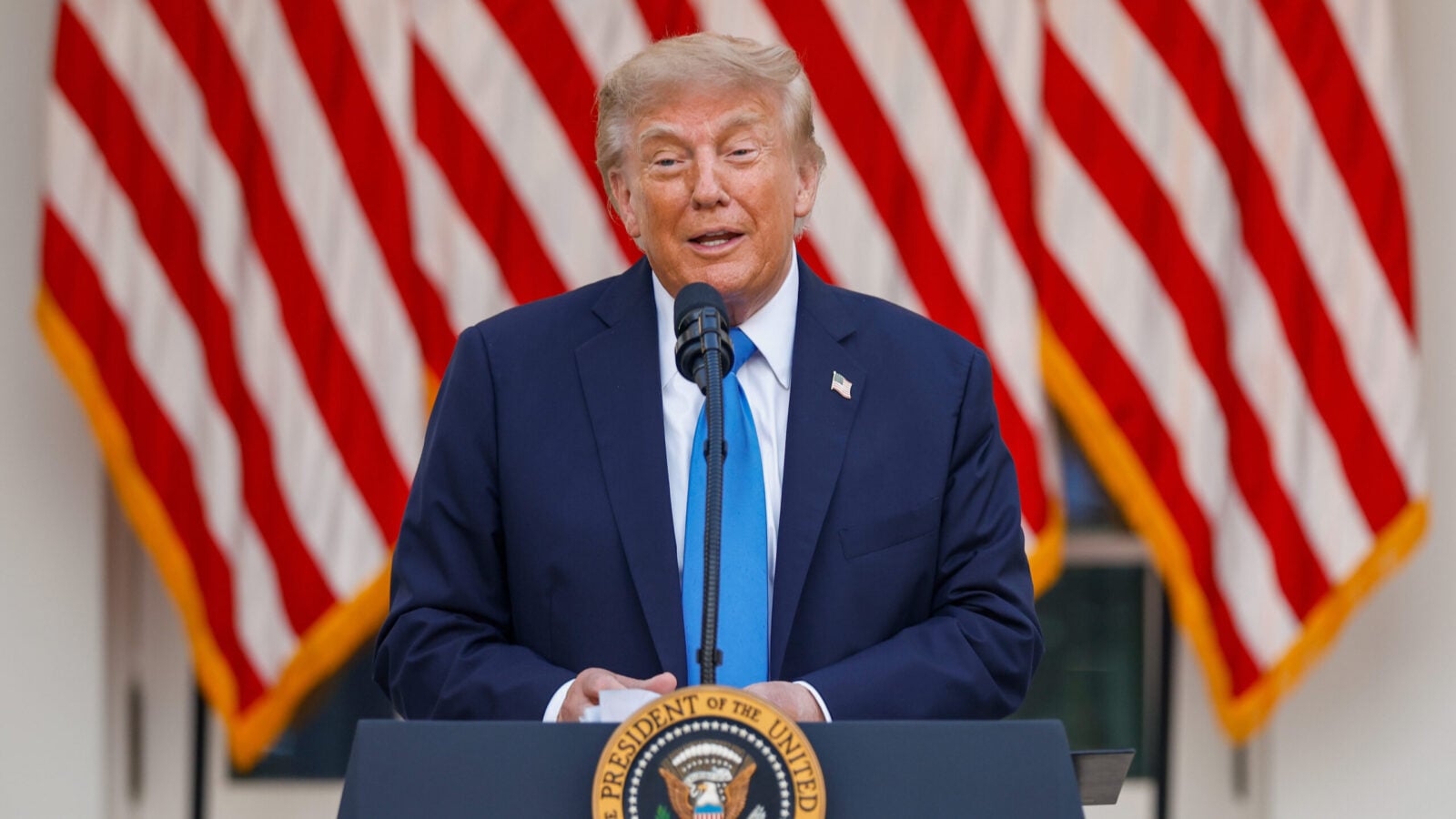
Since taking office last January, the 47th U.S. president has enacted key policies of Project 2025, including historic cuts to safety-net programs like Medicaid and SNAP, education and DEI rollbacks, aggressive immigration enforcement, and major tax cuts mostly benefiting the rich and corporations.
“What we now know more than ever before, if we never knew it before, is that government can do things very quickly. It can [build] ballrooms. It can go to war overnight. It can fire hundreds of thousands of Black people in the course of months,” said Pearson.
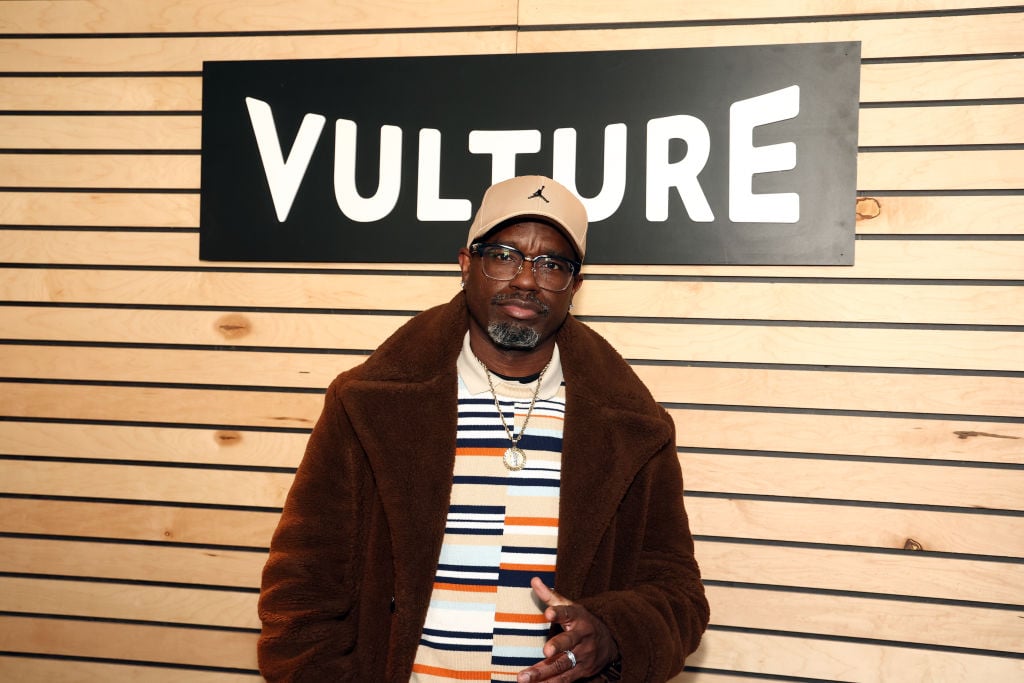


He continued, “The question is, can we use government to do good quickly to tackle the climate crisis, to launch a new war on poverty, to stop corporations from price gouging, to end Congress folks’ ability to trade and sell stocks…it’s whether or not we’re going to have the political will to do so.”
If victorious, Pearson, who was recently endorsed by the Congressional Black Caucus PAC, would bring new and younger Black representation from the U.S. South to Congress. He told theGrio that more young, Black leaders are needed because in Washington, D.C., because they are “approximate to the pains” that Black and other marginalized Americans are experiencing.
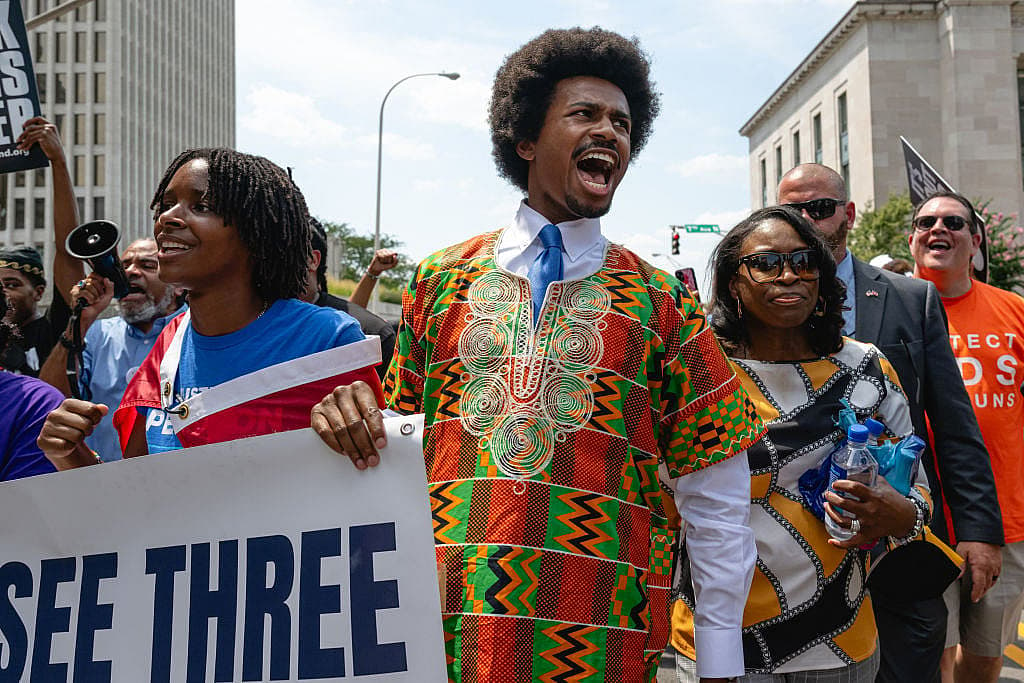
“The inability of folks to be able to own and buy homes, the impossibility of getting out of debt after you were told to go to school and get bachelor’s degrees or master’s degrees. I think we have a sensibility related to just the struggles that people are dealing with,” said Pearson.
Pearson’s commitment for standing up for Black and disadvantaged communities also comes with a conviction of not taking corporate PAC money and demanding that money be removed from politics.
“It sickens me how many millions of dollars we’ve had to raise to run for Congress. All campaigns should be publicly financed because this money, I could be raising it to help build people’s homes, eradicate poverty for some children who live in the district, rather than trying to put ads on TV and buying tons and tons of yard signs,” explained the Democratic congressional candidate. “I think that we should have set amounts of money that go to everybody, and we should stop corporations and billionaires from being able to contribute to campaigns.”
Pearson says his sense of integrity as it relates to who he accepts money from is ultimately about being able to “go to the cookout with a good conscience.” He explained, “When I get invited to people’s events and I get to go see my aunties and uncles in the neighborhood, I want to be able to go there with my chin up, my chest out, and knowing that I’m speaking up and doing what they need me to do on their behalf, without fear that I’m making decisions or taking votes or being quiet about things that matter to them because of a check.”
The Tennessee Democrat says where he does want to see more money is the Democratic Party’s investment in the South, a region he feels the party has abdicated to Republicans over decades.
“Historically, I believe the South has been overlooked and underinvested in by the Democratic Party, and I believe the autocratic regimes that we have operating in the South through the Republican Party exists because of that at a national, state, and local level,” said Pearson.
Referring to his district being redrawn and his expulsion by Tennessee Republicans in 2023 (he was quickly re-elected by voters) after protesting gun violence on the House floor, Pearson said, “You don’t wake up one day and a state legislature expels two Black young lawmakers or rips apart a district within three days, without there having been a slow erosion [that] has been expedited by the lack of investment financially, and just attention that the South gets.”
He continued, “People look at the South and say it’s lost cause, and it’s treated that way…We don’t get the attention that other places get, and I think this moment that we are living in now, where the Voting Rights Act has been gutted, where so many of the isms and schisms that we are dealing with in our country are so apparent, it requires the people who are the backbone of the Democratic Party to get the support that they’ve always needed and deserved.”
As the Congressional Black Caucus marks 55 years and its largest membership in history, Pearson says the caucus has an opportunity to use its power to move forward the issues that could improve lives of Black Americans at a time where “we’re suffering with significant levels of unemployment, the buildout of pollution, polluting facilities such as data centers by the billionaire class, and we are still suffering without access to healthcare at an inequitable rate to our white peers in this country.”
He added, “I think 55 years later, we got to really look and say that the CBC has an opportunity to change the trajectory of this country by working collectively in a bloc that advances issues that impact the most marginalized people in the country in a way that we haven’t seen yet.”