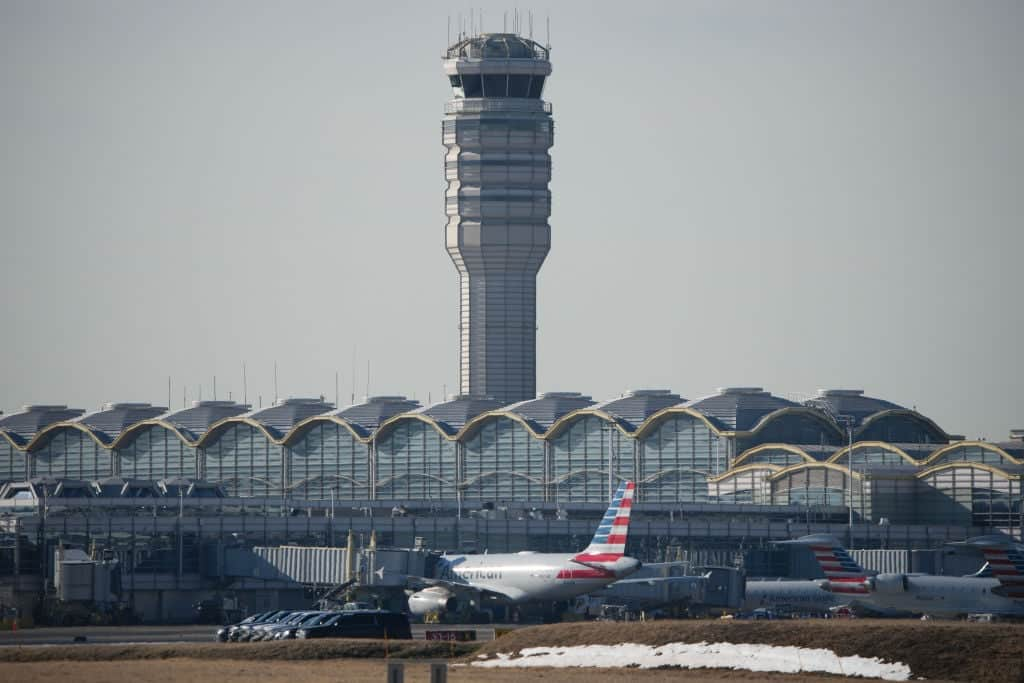
After seemingly daily instances of various technology disruptions, from banking to airlines and telecommunications, Vice President JD Vance is seeking to reassure Americans that the country isn’t on the verge of a national emergency, as other countries, including France, the United Kingdom and Canada, have encouraged citizens to keep essential supplies at home.
During an appearance on Fox News on Monday (Nov. 16), Vance responded to a question about whether Americans should begin preparing for a crisis.




“A lot of my friends have reached out asking if they should prepare to build a bunker or stock up on food and water,” Vance told Laura Ingraham. “My answer to that is no. We don’t see a crisis coming down. But you have to be prepared for everything.”
Vance touted President Donald Trump for making cities better equipped to handle emergencies, emphasizing that preparations shouldn’t be interpreted as a warning of an impending disaster.
However, since last Thursday, the country has experienced a global Microsoft outage, the longest ground stop by the Federal Aviation Administration since the 9/11 attacks and customers of various banks being unable to access their accounts due to a software bug.
The incidents have caused some Americans to stockpile canned goods, bottled water and other emergency supplies, adhering to statements made by authorities in the United Kingdom, France, Germany and Canada, who’ve launched public preparedness campaigns for residents to have emergency stockpiles in the case of a cyberattack, natural disasters or other potential disruptions.
Britain and France have urged citizens to gather enough resources for up to three days, while Germany has suggested 10 days’ worth of supplies.
Conservative voices, from current Homeland Security Secretary Markwayne Mullin to former FBI Deputy Director Dan Bongino, are split on the matter. Mullin urged calm during his own appearance on Fox News, saying he was “not stockpiling” and that the “panic people want to draw from is unfounded.”
Bongino, in an October podcast, urged Americans to acquire various emergency supplies, from radios to batteries, food and water-filtration equipment.
Despite the conflicting messaging, many Americans are taking heed of their European counterparts and neighbors to the north, given the uncertainty and frequency of recent disruptions.