While U.S. Senator Lindsey Graham’s sudden death at 71 was a shock to all, not everyone was mourning. For Black Americans, the passing of the longtime South Carolina politician, who rose to national prominence as a sensible, work-across-the-aisle Republican who later became a Donald Trump loyalist, has elicited strong opinions about his legacy.
While Black Democrats who worked alongside Graham on Capitol Hill for years, like U.S. Senator Cory Booker of New Jersey and fellow South Carolinian U.S. Rep. Jim Clyburn, expressed sorrow over his death, others, mostly within the Congressional Black Caucus, passed on making any public statements about his death, signaling a divide among Black leaders.
U.S. Rep. Hakeem Jeffries, the Democratic leader of the U.S. House of Representatives, initially didn’t speak out on Graham’s death, but later told reporters at a news conference on Monday, “We disagreed on a whole host of issues, but he was someone who was committed to a lifetime of service.”
Clyburn, 85, issued a measured statement acknowledging that he and Graham had a political relationship that was “sometimes partisan and passionate,” and yet he was “shocked and saddened” by his death.
“For more than three decades, we served the people of the Palmetto state together in Congress. Throughout that time, we maintained a relationship grounded in mutual respect, even when our political differences were significant,” said the longtime congressman, whose majority-Black seat in the U.S. House of Representatives was almost eliminated by statewide Republicans in a plan that was initially supported by Graham.
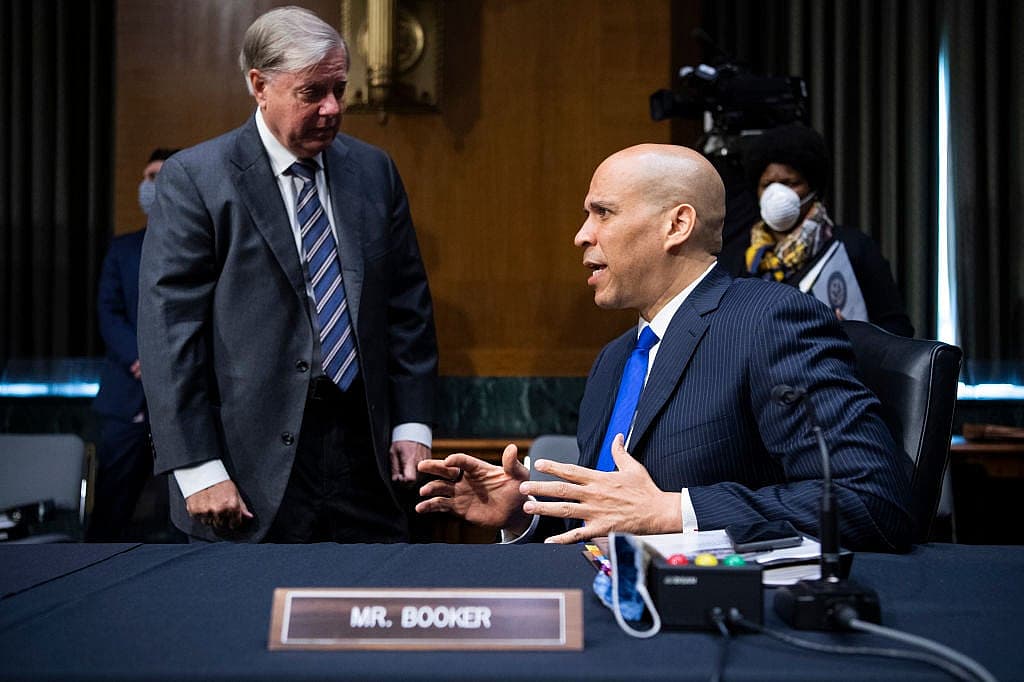
Senator Booker drew considerable backlash online over his eulogy for Graham, whom he called a “hero,” in a video posted on social media in which he described working with the South Carolina senator on bipartisan criminal justice reform.
“I am stunned at Lindsey Graham’s death, but I pray that he is reunited with his friend John McCain, that they both are experiencing God’s love, grace, mercy, and forgiveness,” Booker said. “I will miss my perhaps most unexpected friend in the Senate, and someone with whom I got some good things done.”
Booker, along with other leaders who eulogized Graham with glowing remarks, was met with call-outs from Black political influencers and even celebrities who argued the way Graham lived and legislated—at the expense of Black communities—did not merit such platitudes. The criticisms were so loud that Senator Booker’s account turned off the comments feature on the post.
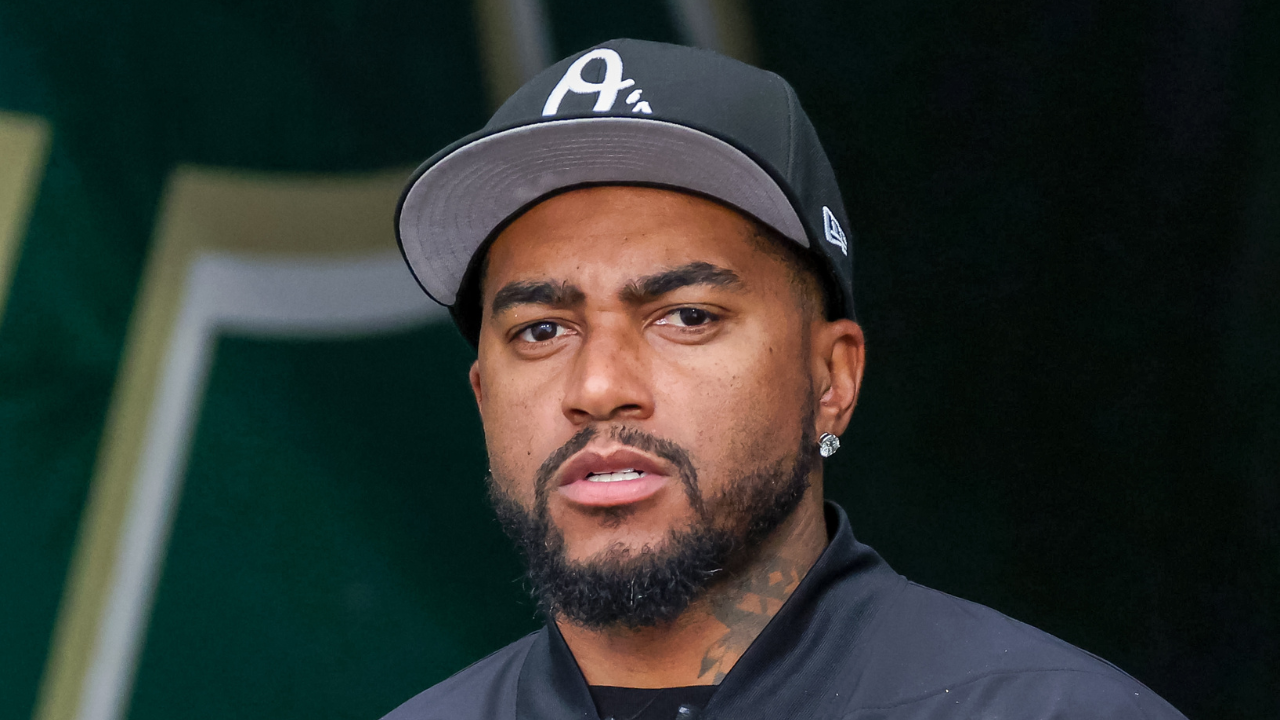
“Democrats are going out of their way to offer grace and compassion to those who don’t deserve it,” said Kevin Ortega-Rojas, an Afro-Latino independent writer and podcaster.
In a separate post, he wrote, “Dear Democrats, Please fight the urge to eulogize a man who ripped away our healthcare, food stamps, supported a masked paramilitary, and defended sexual predators. Silence is also an option.”
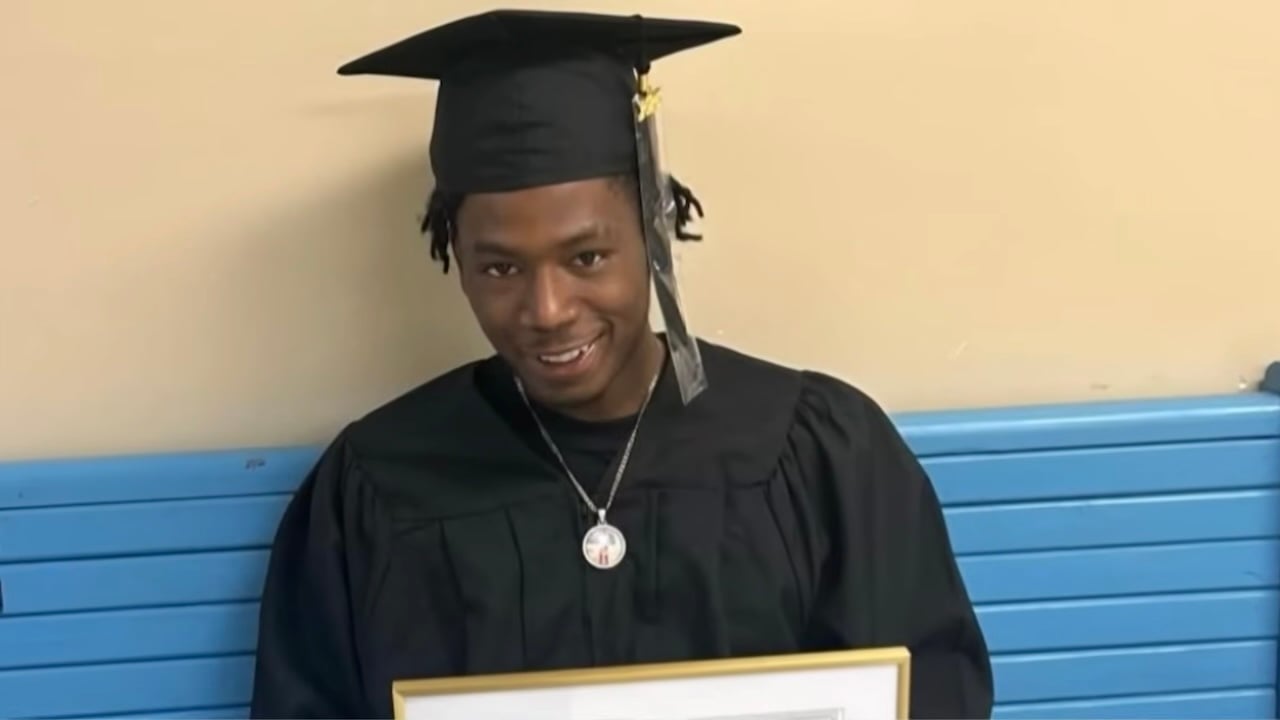
Influencer and Black trans activist Dominique Morgan said in a video post, “The same system that allows a Lindsey Graham to exist in the way that he did is the same system that allowed the harm that was perpetrated on Nolan Wells’ body to happen.”
She continued, “You can’t be making posts about that baby being taken from us, and at the same time, even if you can’t comprehend people’s righteous anger, or hell again, even jokes about this man’s passing, sit this one out.”
Morgan added, “I’m not being dramatic when I say that this man, along with a gaggle of folks who are in office, are invested in the death and the unsettling of so many Black and Brown folks across this country.”
To be clear, Lindsey Graham’s record often ran counter to the interests and values of most Black voters. Not only did he dismiss the idea of systemic racism in America, but he also infamously told Black South Carolinians that they could go anywhere in the state as long as they were “conservative,” amid an epidemic of police killings of Black people.
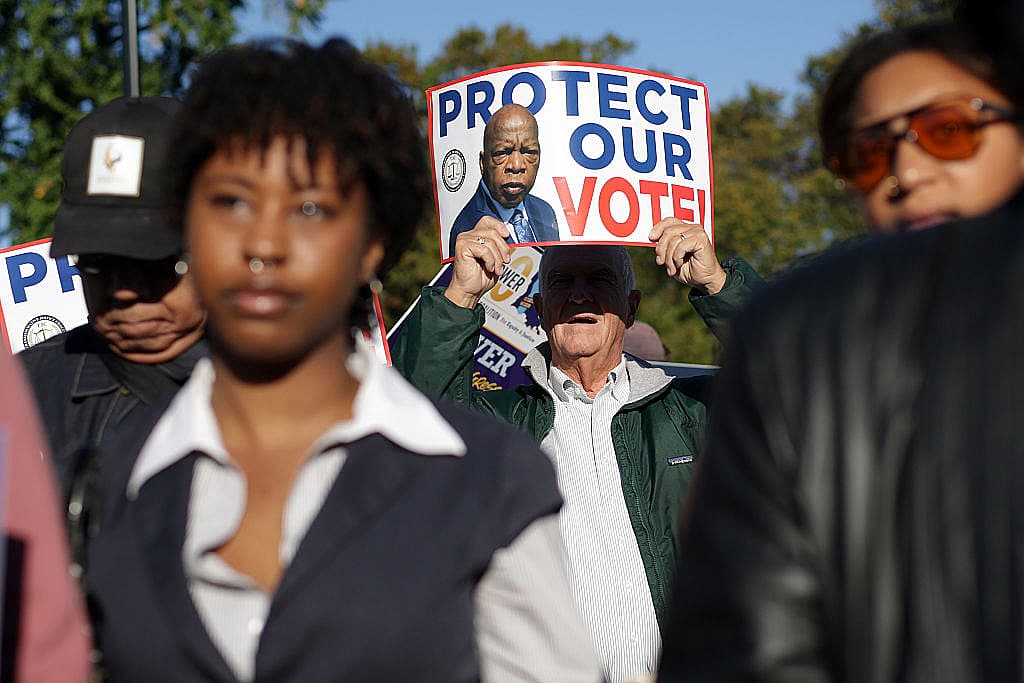
And while the Republican stalwart once worked with and defended President Barack Obama against the far-right wing of his party against racist attacks during his historic presidency and called out what he described as Donald Trump’s racism and xenophobia in 2016, he would later become one of Trump’s biggest supporters in Congress, helping to amplify Trump’s election fraud lies and attempt to overturn Black votes in the 2020 election. Graham also voted for Supreme Court justices who ultimately gutted the Voting Rights Act of 1965 and voted against Ketanji Brown Jackson, the first Black woman to serve on the high court, despite being touted as the most qualified to ever serve on the court.
After President Trump called the white nationalist group, the Proud Boys, “very fine people” and told them “stand back and stand by”—seen as a dog whistle of support—Graham was photographed having dinner with one of the group’s lead organizers.
Antjuan Seawright, a Democratic strategist and South Carolina native, told theGrio of the outrage and divide Graham’s death ignited, “For people who understand the institution and work with him in an institution, they have a perception of their take on him as the person, the policy making [and] the politician. But I think those who feel the residue of some of the policies that he has fought for and some of the things he fought against, the perception is a lot different.”
Seawright, an advisor to Rep. Clyburn and Leader Jeffries who described Graham as shifting some of his positions during the Trump era, said that version of Graham was “disconnected from the realities that he once acknowledged about America, about South Carolina, and about the people that he represented in a state that has a very complicated history with race, bigotry, hate, white nationalists, and white supremacy.”
The Democratic insider and CEO of Blueprint Strategy LLC told theGrio that it is “sad” because Graham will mostly be remembered for his political life in his final years, rather than “some” of the “good things about his legacy.”
He explained, “But when you think about nastiness or the harm that those things that he fought for alongside Trump on and how they impacted Black Americans, of course, people see his legacy as disgusting and divisive.”
Jamarr Brown, a Democrat strategist and also a South Carolina native, told theGrio, “You can mourn someone’s life and extend condolences to their family, their friends, and their supporters. But also, part of us and our walk in life is also to tell the truth about things that have happened.”
Brown acknowledged that, as a U.S. Senator, Graham delivered on some meaningful “constituent services” and was once respected as a “Reagan Republican” who once called out Trump as a danger to the country.
“But what happened when all was said and done? He actually coattailed. He jumped right behind Donald Trump and around a lot of the dangerous policies,” he argued. Ultimately, Brown said, he helped elect Trump for a second term at the White House, resulting in major economic and civil rights blowbacks to Black communities across the country.
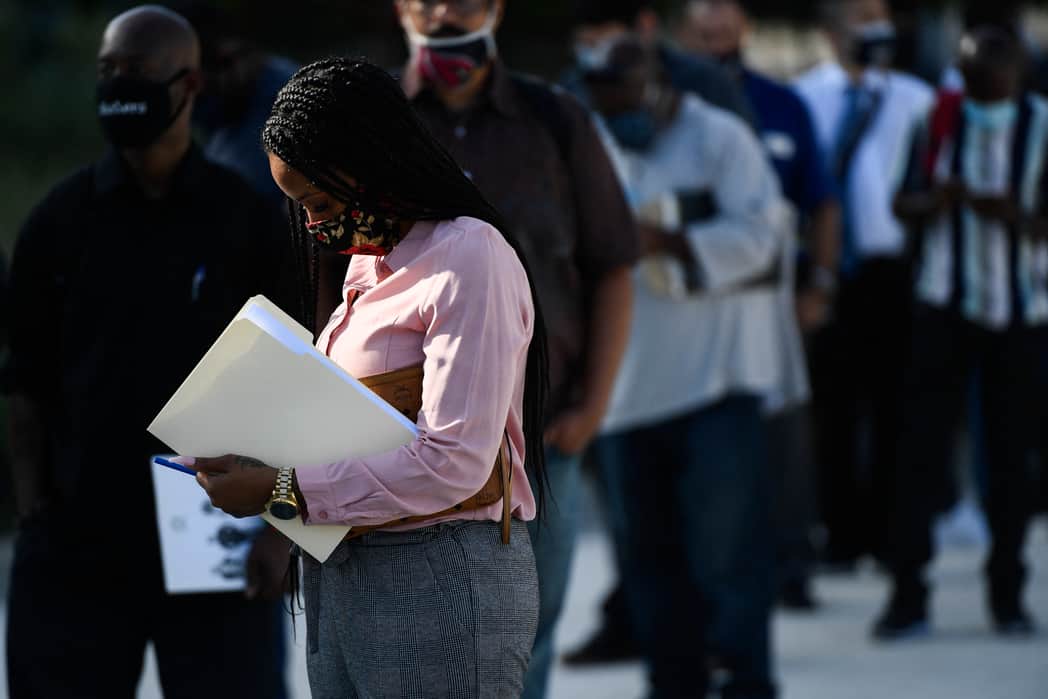
“The reality of what [Black] people are facing today is high unemployment…the elimination of DEI programs, and, obviously, the shifting of political power around redistricting and all those things,” he told theGrio.
Ultimately, Brown said of the strong feelings around Graham and his death, “Two things can be true.” He added, “You can talk about having condolences and respecting his family, but you can also talk about here’s the record and here’s the impact he had, both positive and negative.”